



Author: Lola Gueguen, Teacher’s College @ Columbia University
Summary: This blog highlights the importance of physical activity in supporting young students’ academic, social-emotional, and physical development. Most recently, the FAA’s annual handball tournament is an example of how movement and community-building go hand in hand. The article also outlines daily opportunities for exercise across home and school and emphasizes how schools and families can work together to promote lifelong healthy habits through consistent, meaningful movement.
____________________________________________________________________________
There’s something special about the energy of a school tournament: the excitement, the teamwork, and the joy of movement. One of the highlights of our student events each year is our annual handball tournament, a favorite among students and staff alike. This past month, students from our Englewood and Jersey City campuses came together for a day filled with mixed-team handball matches and engaging classroom activities with teachers from schools. Beyond the excitement of the games, this special event helps strengthen connections between campuses while fostering teamwork, sportsmanship, and a strong sense of community.
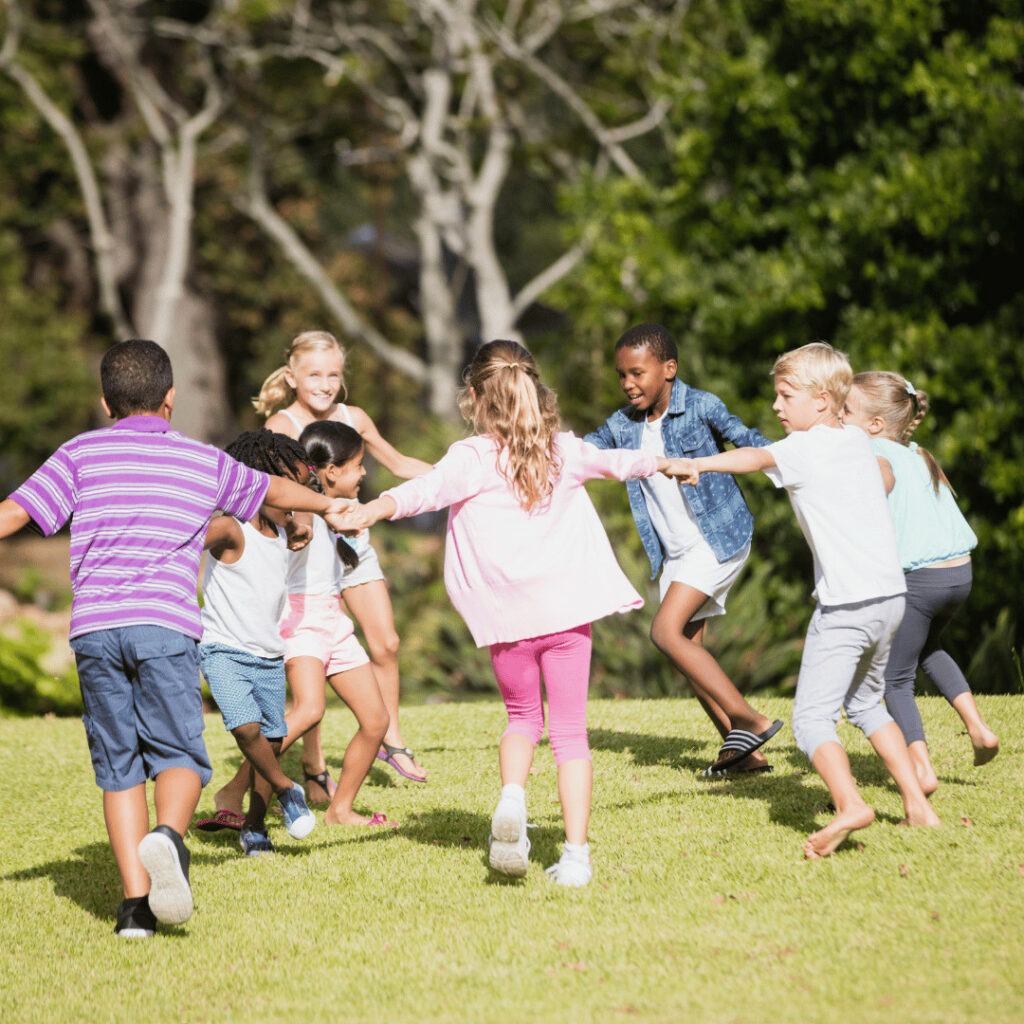
In today’s busy, screen-filled world, opportunities for movement matter more than ever. Events like our handball tournament are just one of the many ways we promote physical activity in a way that is fun, inclusive, and meaningful, helping children build confidence, strengthen friendships, and develop a lifelong love of movement.
What Experts Recommend
According to the U.S. Centers for Disease Control and Prevention (CDC), young children (ages 3–5) should be physically active throughout the day to support healthy growth and development through active play and age-appropriate activities. For children and adolescents ages 6–17, at least 60 minutes of physical activity per day is recommended (CDC, 2025). This daily activity should include a mix of:
- Aerobic activity (e.g., walking, biking, dancing) that increases heart rate
- Muscle-strengthening activities (e.g., climbing, playground play, gymnastics)
- Bone-strengthening activities (e.g., running, jumping, sports like basketball)
As a bilingual school, the FAA also draws inspiration from the French Ministry of Education’s initiative and recommendation of at least 30 minutes of daily physical activity. This approach emphasizes that movement is not limited to formal Physical Education classes, but should be integrated throughout the school day to support students’ overall well-being and learning.
Why Movement Matters More Than Ever
You may be wondering: why is physical activity so important at such a young age? Building physical activity into children’s daily routines lays a critical foundation for lifelong health, well-being, and a genuine love for movement. Regular physical activity is linked to a wide range of benefits (Physical Activity Guidelines for Americans, 2018), including:
- Improved attention, memory, executive functioning, and academic performance
- Better mood and reduced symptoms of stress, anxiety, and depression
- Stronger muscles, bones, and overall physical fitness
- Improved sleep quality
- Healthy growth and physical development
- Reduced risk of chronic health conditions later in life, such as obesity and type 2 diabetes
While 60 minutes may sound like a lot, many children naturally meet this goal through a combination of school-based activities, recess, sports, and active play. Small moments of movement throughout the day truly add up!
How The FAA Promotes Movement Every Day
At the French American Academy, promoting physical activity is a core part of our philosophy and is thoughtfully woven into students’ daily routines and overall educational experience. Throughout the week, students participate in two Physical Education (PE) classes, where they engage in team-based games, sports, and skill-building exercises that encourage movement, cooperation, perseverance, and healthy competition. Students in preschool have a designated time each day for motor skills sessions, which include activities such as obstacle courses and practicing skills like throwing, jumping, and climbing to support appropriate motor development.
The FAA also draws on the French Ministry of Education’s model, which emphasizes flexibility and creativity in promoting physical activity. Within this framework, movement is not limited to designated times, but can take place in the classroom, the schoolyard, or nearby community spaces, and can be incorporated into short, meaningful moments throughout the day. At the FAA, this philosophy is reflected in the many opportunities students have to stay active beyond traditional PE classes, whether through outdoor play, classroom movement breaks, or community-based activities. For example, students go outside at least once daily, often spending time in nearby parks such as Hamilton Park, Van Vorst Park, or Marin Green Park for lunch and play. In Jersey City, an especially exciting addition this year has been the implementation of a street closure during recess, providing students with a safe and expansive space to run, play, and stay active in a dynamic new way. By embedding movement into daily routines, we support students’ ability to focus, engage, and succeed academically, while also helping them build healthy habits that promote lifelong health and well-being.
In addition to these daily opportunities for movement, the FAA prioritizes special events throughout the year that celebrate both physical activity and community. These include:
- The Spirit Run at Roberto Clemente Park in the fall
- The intercampus Handball Tournament in the spring
- Intercampus Olympiades held in Englewood in the spring
These events not only encourage physical engagement but also bring together students from both campuses, fostering school spirit, teamwork, and a shared sense of belonging. The FAA continues to expand its commitment to student wellness through ongoing initiatives and future goals, including the development of a comprehensive health and wellness pathway and increased opportunities for daily physical activity. Beyond the curriculum, our extracurricular offerings also prioritize movement, coordination, and active engagement in fun and meaningful ways. Students have access to a variety of programs that support physical development, teamwork, and confidence-building, including:
- Teacher-led activities:
-
- Ninja Gym
- Circus Arts
- Pickleball
- Volleyball
- Cheerleading
- Basketball
- Team Sports
- Vendor-led programs:
- Tennis
- Run Club
- Soccer
- Musical Theater (which incorporates dance and movement)
These opportunities allow students to explore different forms of movement, discover new interests, and stay active in ways that feel enjoyable and engaging beyond the school day.
Supporting Active Habits at Home
At home, small, intentional choices can also make a big difference in helping children build active, healthy habits. Here are a few simple ways to incorporate meaningful and enjoyable movement into your child’s daily routine (CDC, 2024):
- Make physical activity a family event: go for walks, play active games, or attend your child’s sports practices together
- Encourage participation in recreational sport teams or individual activities such as basketball, swimming, or gymnastics
- Visit local spaces that promote movement, such as playgrounds, parks, baseball fields, or basketball courts
- Support your child in trying new activities and model a positive, open-minded attitude toward physical activity
- Build in simple, fun movement after dinner, like walking, playing tag, biking, or skating
By integrating these small moments of movement into everyday life, families can help children develop lifelong habits that support their physical health, emotional well-being, and overall growth.
References
Centers for Disease Control and Prevention. (2024, August 7). Making physical activity part of a
child’s life. Centers for Disease Control and Prevention.
https://www.cdc.gov/physical-activity-basics/adding-children-adolescents/index.html
Centers for Disease Control and Prevention. (2025, December 4). Child activity: An overview.
Centers for Disease Control and Prevention.
https://www.cdc.gov/physical-activity-basics/guidelines/children.html
Physical Activity Guidelines for Americans (2nd Edition). (2018). U.S. Department of
Health and Human Services.


