



Author: Lola Gueguen
Many parents hear the terms “play-based learning” or “playful learning” in preschool and wonder whether children are simply playing at school rather than truly learning. It is natural to question what learning looks like in a play-based environment and what educational philosophy guides it. At the French American Academy, play-based learning in preschool is intentional and purposeful, and it naturally evolves into our project-based approach in elementary and middle school, all with the goal of fostering a lifelong love of learning. While we place strong emphasis on building solid academic foundations from an early age, creativity, exploration, hands-on projects, learning beyond the classroom, and meaningful play are central to our curriculum. Ultimately, the FAA embraces both academic rigor and creative, experiential learning to provide a well-rounded and holistic educational experience.
What Is Play-Based Learning & What Does the Research Show?
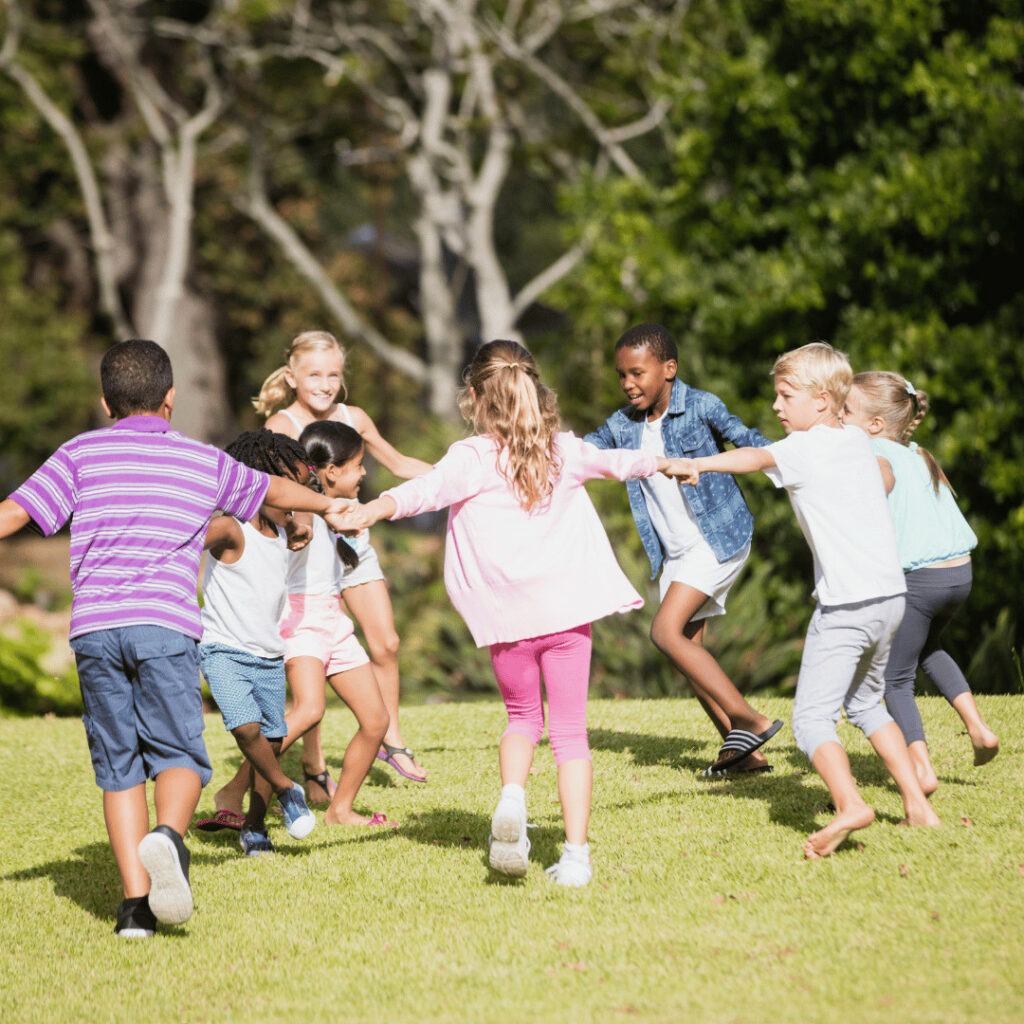
According to the National Association for the Education of Young Children (NAEYC), playful or play-based learning refers to learning environments in which children develop academic knowledge and social-emotional skills through play. Play can take many forms:
- Free or child-directed play
- Teacher-guided play
- Structured games or activities
While playful learning may look spontaneous on the surface, it is intentional and thoughtfully guided by educators. Free play allows children to use their imagination, express themselves, and explore independently, while guided play and structured activities help connect play to specific learning goals. For example, a teacher might integrate early math and number sense into a child’s pretend grocery store or restaurant. In a playful learning environment, children are viewed as active participants in their learning, while teachers serve as facilitators who guide exploration, ask thoughtful questions, and build on students’ curiosity. This approach leverages children’s natural drive to explore, interact socially, and make discoveries, allowing teachers to maximize learning while keeping students deeply engaged in meaningful, collaborative activities. Through play-based learning, children develop far more than academic skills. They learn to problem-solve, communicate effectively, collaborate with peers, think creatively, and build confidence (Zosh et al., 2022).


Research consistently shows that play-based learning supports strong developmental outcomes across multiple domains. Studies have linked playful learning to:growth in:
- Social-emotional development
- Language and oral communication skills
- Critical thinking
- Creativity
- Academic learning
In particular, research suggests that guided play is often more effective than direct instruction for teaching academic content, while free play plays a key role in supporting social skills and emotional development. Together, these findings highlight how a balanced, intentional approach to play helps children build the foundational skills they need for long-term success in school and beyond (Caven, 2022).
Inspired by the Scandinavian Model

The French American Academy’s approach to play-based learning is inspired in part by the widely respected Scandinavian model of education, a European approach that places great value on play as a powerful and essential tool for learning. Scandinavian countries are often recognized as leaders in early childhood education, prioritizing play, creativity, and connection to nature rather than strict testing or long, academically driven school days in the preschool years. A key element of this model is friluftsliv, or “open-air living,” which emphasizes outdoor learning, nature play, and exploration. In many Scandinavian schools, children spend a significant portion of their day outdoors (sometimes even through nap time), developing independence, resilience, problem-solving skills, and social awareness through unstructured play and real-world experiences. This approach is grounded in the belief that children are capable, active participants in their own learning, and that classrooms should be environments that invite exploration, creative thinking, and collaboration. This nature-centered, play-based philosophy has influenced education systems around the world, as research continues to show that outdoor and experiential learning strongly supports children’s academic readiness, emotional regulation, physical development, and ability to collaborate with others (Windridge, n.d.).
The FAA Approach: Blending the Scandinavian Model with French Values
While the French American Academy does not spend the entirety of the school day outdoors, we intentionally draw from the strengths of the Scandinavian model while integrating French educational practices and values of structure and discipline to enrich our students’ learning experiences.
At the FAA, this approach looks like:
- A strong connection to nature and outdoor learning: We prioritize regular outdoor time through daily recess, nature walks, park visits, outdoor classes, and field trips to nature centers. These experiences allow children to explore, observe, and learn beyond the classroom walls.
- Creativity and expression as essential parts of learning: Children engage in art, music, movement, projects, and purposeful play. Play-based learning includes drawing, singing, dancing, building, and imaginative play, all thoughtfully connected to clear learning goals.
- Hands-on, experiential learning: Our curriculum comes to life through activities such as science experiments and cooking projects, where students learn by doing: exploring concepts, collaborating with peers, and engaging in meaningful, real-world experiences.
- French cultural values and educational traditions: Alongside play and creativity, the FAA emphasizes discipline, clear expectations, respect, and strong academic foundations. From a young age, children learn politeness and core social manners such as greeting others with bonjour, using polite language like s’il vous plaît and merci, and speaking respectfully to teachers and adults.
By thoughtfully balancing French values of structure, manners, and respect with the Scandinavian emphasis on play, creativity, and exploration, the FAA creates a purposeful and supportive learning environment. This integrated philosophy reflects the best of both traditions and supports students’ academic growth, social-emotional development, and overall well-being.
Play-Based Learning in Action: Preschool Projects at the FAA
Below are two examples of preschool projects that bring this philosophy to life at the FAA:
- La Semaine du Goût: This week-long experience brings learning to life through concrete, sensory, and engaging experiences tailored to young children. Throughout the week, students actively use their senses to explore new foods, cultures, and healthy eating habits through hands-on tasting activities and classroom projects. Experiences may include food-based science experiments, field trips to local farms, orchards, or restaurants, artistic creations using food, and opportunities to discover and sample cuisines from around the world. Teachers intentionally guide these activities to connect food and play with learning goals across disciplines, including oral language development, early math concepts, science, health education, and cultural awareness. Rather than learning concepts in isolation, students engage through tasting, observing, manipulating, discussing, and creating, hallmarks of high-quality, play-based learning.
- Moi, Ma Maison, et Ma Famille: This project addresses a fundamental developmental need by helping children understand who they are, where they belong, and how they are connected to others. Students are guided to reflect first on themselves, then on their families, and gradually on their homes and immediate environments. Through play-based, hands-on activities, children develop language and social-emotional skills in both French and English by participating in group discussions, using personal photos, learning family-related vocabulary, and sharing who is important in their lives. Creativity is also central to the project, as students express their understanding through songs, storytelling, artwork, and construction activities using recycled materials. By blending academic goals with creativity, self-expression, and social development, this project builds strong foundations, not only for school success but for understanding themselves and the world around them.

Overall, the goal of our preschool is to provide students with a strong academic foundation rooted in politeness and respect, while equally nurturing joyful discovery, play, creativity, and collaboration. Grounded in play-based learning, our approach aligns with research showing benefits such as stronger critical thinking, communication, resilience, confidence, intrinsic motivation, and problem-solving skills. Most importantly, it fosters a genuine love of learning, one that supports children’s growth well beyond the preschool years.
References
Caven, M. (2022, July 6). Prioritizing play: The importance of play-based learning in early
education. Institute of Education Sciences.
tion
Windridge, M. (n.d.). Play-based learning – approaches from around the world: Learning and
development. Teach Early Years.
m_source=chatgpt.com
Zosh, J. M., Gaudreau, C., Golinkoff, R. M., & Hirsh-Pasek, K. (2022). The power of playful
learning in the early childhood setting | Naeyc. National Association for the Education of
Young Children.


