Project-Based Learning

What is Project-Based Learning ?

All of our classes incorporate project-based pedagogy to give our students the opportunity to develop knowledge and skills by asking real-world problems. Students actively learn and gain a deeper understanding of the material through solving authentic, curriculum-based, and interdisciplinary problems. Project-based learning builds and supports the 21st-century skills necessary for our students to develop and thrive in today’s world. 

Project-based does not replace the academic knowledge that students learn, rather it is a question of how we teach that academic knowledge.  Students don’t learn best through memorization, they learn by doing and by exploring the world through the questions they ask.

The 3 Reasons Behind Project-Based Learning

Cultivates a
Love of Learning

Students learn how concepts are applied in the real world by applying classroom knowledge to real-world issues. 

Develops Creative & Analytical Mindset

Encourages students to think critically, communicate effectively, and work collaboratively

Encourages
Curiosity

The projects students undertake are fueled by what they find interesting and the questions that ask. This encourages them to continue asking questions.

best private school for project-based learning

How We Integrate Project-Based Learning Into Our Curriculum

PBL is different from regular class learning or doing projects. 

Project-based learning at the FAA is more than just students doing a project. The project contains and frames curriculum and instruction. Teachers support students in learning important knowledge and skills through the work of a project. PBL encourages students to use higher-order thinking skills instead of just remembering the information.

To effectively support students in PBL, we create an effective learning environment.

We promote a classroom culture of creativity and engagement where students propose solutions to problems, communicate their ideas, debate the ideas of others, collaborate with others, and work independently. Students are also motivated by engaging in meaningful projects where they decide how to approach a problem and derive their solutions. Students also reflect on their processes to create and complete their projects. 

Preschool: The Power of Play-Based Learning

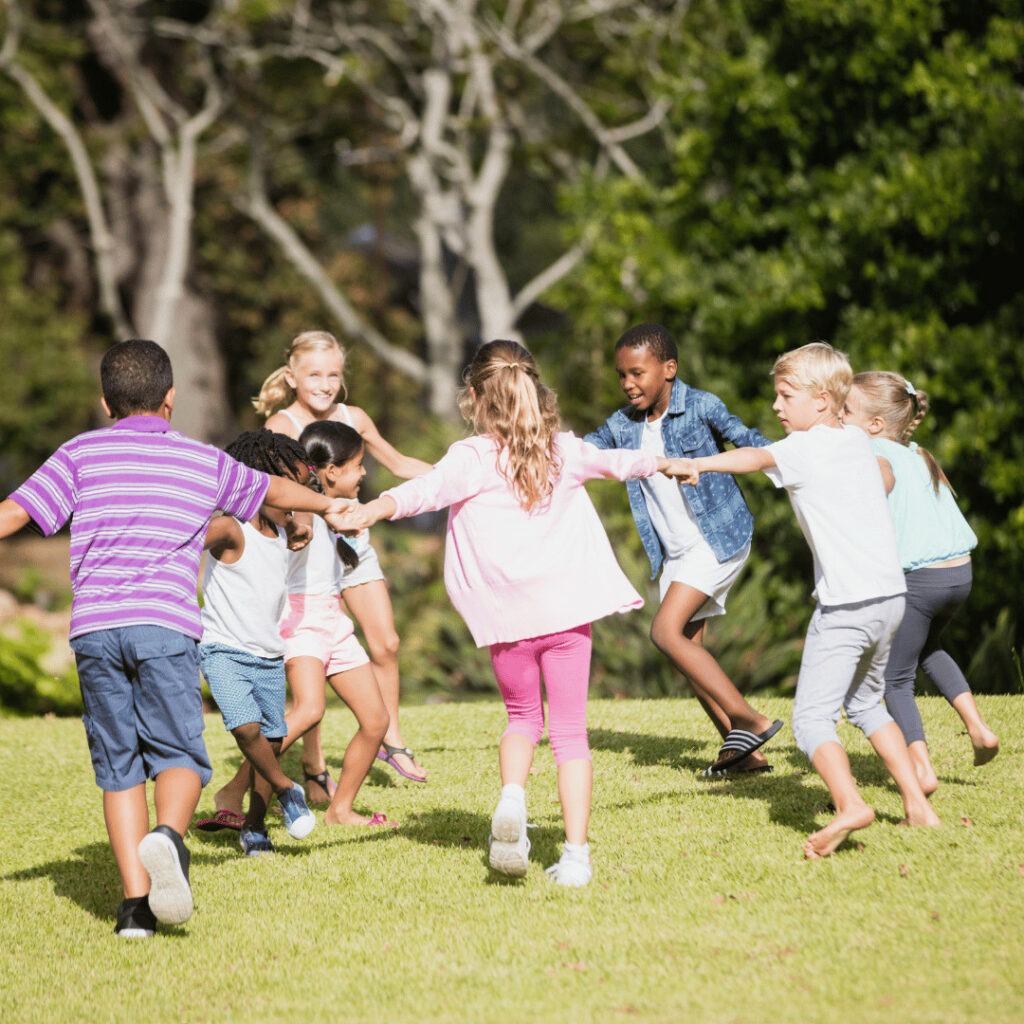
In our preschool classrooms, play-based learning is purposeful and guided by teachers who connect children’s natural curiosity with meaningful learning experiences.

Through imaginative play, hands-on activities, and collaborative projects, children develop early academic skills while also building confidence, communication, creativity, and problem-solving abilities.

For example, children may learn through:

  • Imaginative play such as a pretend grocery store that introduces early math and number sense
  • Storytelling, songs, and conversation that strengthen language development in French and English
  • Building, art, music, and movement that encourage creativity and self-expression
  • Collaborative play that develops communication and social skills
 

Our approach is inspired by the Scandinavian philosophy that values exploration, creativity, and time outdoors, while also reflecting French educational values of structure, respect, and strong academic foundations. Students regularly learn through nature walks, outdoor play, science experiments, cooking activities, and creative projects that bring lessons to life.

By balancing purposeful play with clear learning goals, we help children develop the social, emotional, and cognitive skills they need to succeed in school and beyond. Most importantly, play-based learning nurtures curiosity and a genuine love of learning from the very start.

Play-Based Learning at the French American Academy: Where Play, Purpose, and Learning Meet

Project- and Play-Based Learning
Outside the classroom

We support learning outside the classroom to provide students with a well-rounded, interdisciplinary education. Trips, activities, and special projects incorporate project-based learning components. It’s part of our commitment to being the best private school for project-based learning, where students thrive and excel.

Benefits of Project-Based Learning

Student Driven Learning

Student Driven Learning

Students Take Ownership of their Learning
Learn More

Increased Motivation

Increased Motivation

Increases motivation due to exploration of real-world issues
Learn More

Emotionally Engaged

Emotionally Engaged

Students are emotionally engaged by their work
Learn More

College & Career Readiness

College & Career Readiness

Students gained valuable skills for college and careers
Learn More

Deeper Understanding

Deeper Understanding

Improves understanding and retention of content
Click Here

Behind the Scenes Project-Based Learning

Follow on Instagram!
This error message is only visible to WordPress admins
Error: There is no connected business account for the user .

Project-Based Learning Examples

What is the FAA’s Integrated Math & Science Program, and How Does It Prepare Students for IB Success?

Cultivating Global Citizens Through Model United Nations

The Exit Project

Frequently Asked Questions

In a project-based learning environment, students learn the required information through actively engaging with the material and applying it to real-world tasks and challenges. This may involve conducting research, gathering and analyzing data, and solving problems. The teacher serves as a facilitator, guiding students as they work through the project and providing support and resources as needed. At our school, we are committed to being the best private school for project-based learning, where they can flourish and succeed in this innovative and engaging educational approach.

Project-based learning is an effective teaching approach for young children because it allows them to engage in hands-on, real-world experiences that are relevant and meaningful to them. This can be especially valuable in preschool, as young children are naturally curious and enjoy exploring their environment through play and experimentation.

Project-based learning also develops important skills in young children, such as critical thinking, problem-solving, and collaboration. These skills are essential for success in school and in life and can be fostered through engaging, hands-on projects that allow children to apply their learning to authentic tasks and challenges. 

Accreditations

Contact Us

The French American Academy - Jersey City Englewood

Now Enrolling:
International Track - No French Required

NEW at Our Englewood Elementary School Campus!

Our International Track is also available at our Middle and High School campus in Jersey City.
 
Students benefit from a bilingual education while learning French at their own pace.

Visit JERSEY CITY, NJ Campus

Thank you for entering your email before choosing your visit appointment (then you'll be redirected to the date picker)